
I once heard being in Tokyo feels like a fever dream, an analogy I didn’t quite understand prior to visiting. The world’s largest city is vibrant, immaculately clean, contradictory, awe-inspiring, and at times, dizzying. Throw a fourteen-hour time change into the mix, and you’ll feel like your head is spinning (but in a good way). There’s honestly so much to take in, experience, and explore, and with 48 hours, it’s hard to know where to begin. Pack some comfortable sneakers, grab your Suica card, and prepare for an unforgettable experience.
Things to Know When Traveling in Tokyo, Japan
- Tokyo’s subway system is clean, reliable, and affordable. I’m not one to opt for public transit while traveling abroad and found the process seamless and enjoyable.
- Bring good walking shoes! Although we used the subway to navigate the city, we spent much time exploring each neighborhood on foot. On average, we walked about six miles a day.
- Purchase a Suica card. These pay-as-you-go cards can be used on everything from the subway to local convenience stores.
- Most hotels, restaurants, bars, and activities accept credit cards. Having some local currency on hand is helpful if you’re planning to visit street markets or vendors.
- It’s helpful to know basic phrases in Japanese. We occasionally encountered a language barrier during our time in the city, but luckily, I had the necessities down. When all else fails, Google Translate will be your friend.
- Ubers and taxis are available in Tokyo, however they’re expensive and less convenient with city traffic.
- Tipping isn’t customary and can even be seen as rude.
- Tokyo’s crime rate is relatively low and we felt safe there!
Where to Stay in Tokyo, Japan
OMO5 Tokyo
Tokyo hotels are notoriously pricey, even by big city standards. We’d been warned repeatedly about the high costs, so in an effort to save a bit, we booked a stay at OMO5 Tokyo. It was… fine. I’d give it a 6 out of 10. The room was ultra compact with a bunk-bed-style layout that we thought we wouldn’t mind, but in hindsight, we definitely would’ve preferred a bit more space. On the plus side, the hotel was clean and conveniently located near the subway. It did the job, but I wouldn’t go out of my way to recommend it.
Things to Do in Tokyo, Japan
The Infamous, Yet Touristy, Attractions
Yoyogi Park
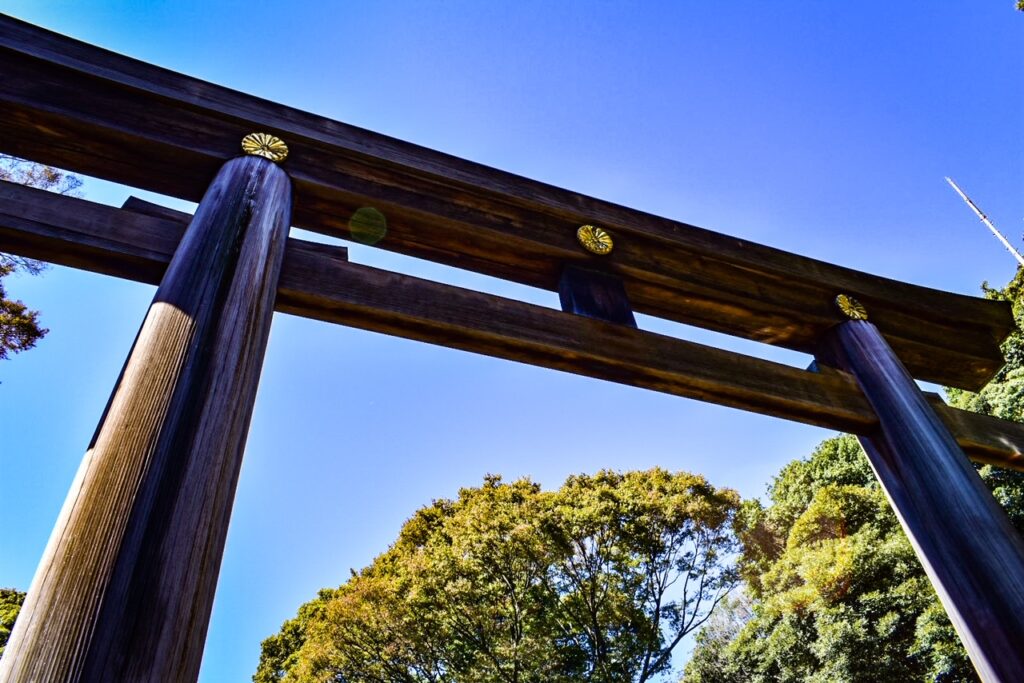
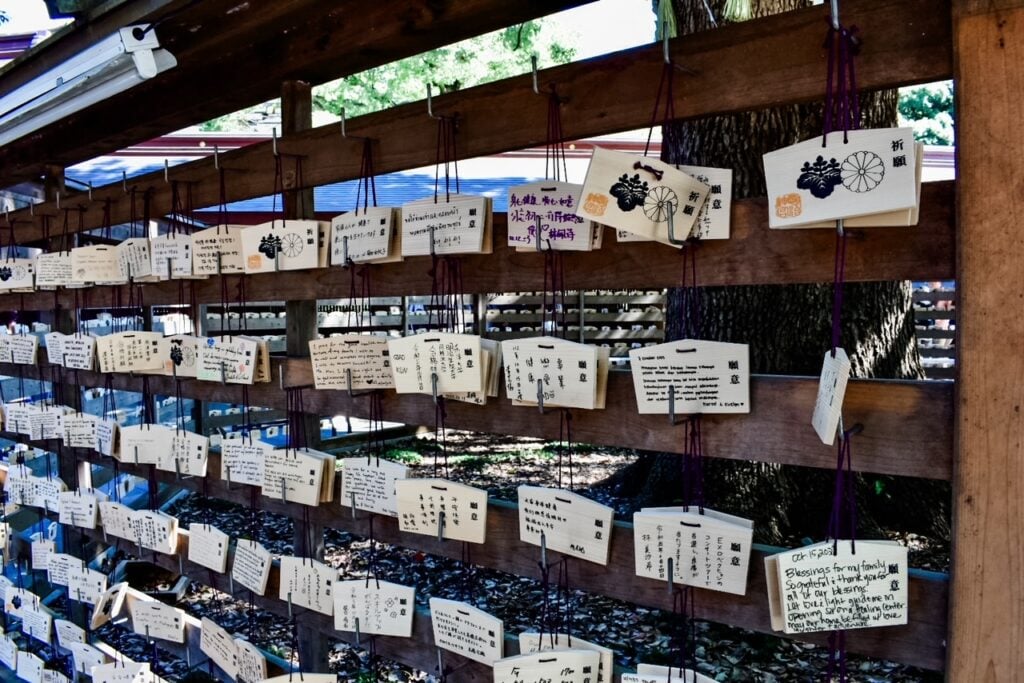
The lush, serene pathways of Yoyogi Park are a strong contrast to the surrounding busy streets of downtown Tokyo. Whether looking for a contemplative stroll in the park or to gaze at the impressive Meiji-Jingu Shrine, Yoyogi Park has a little something for everyone.
Golden Gai
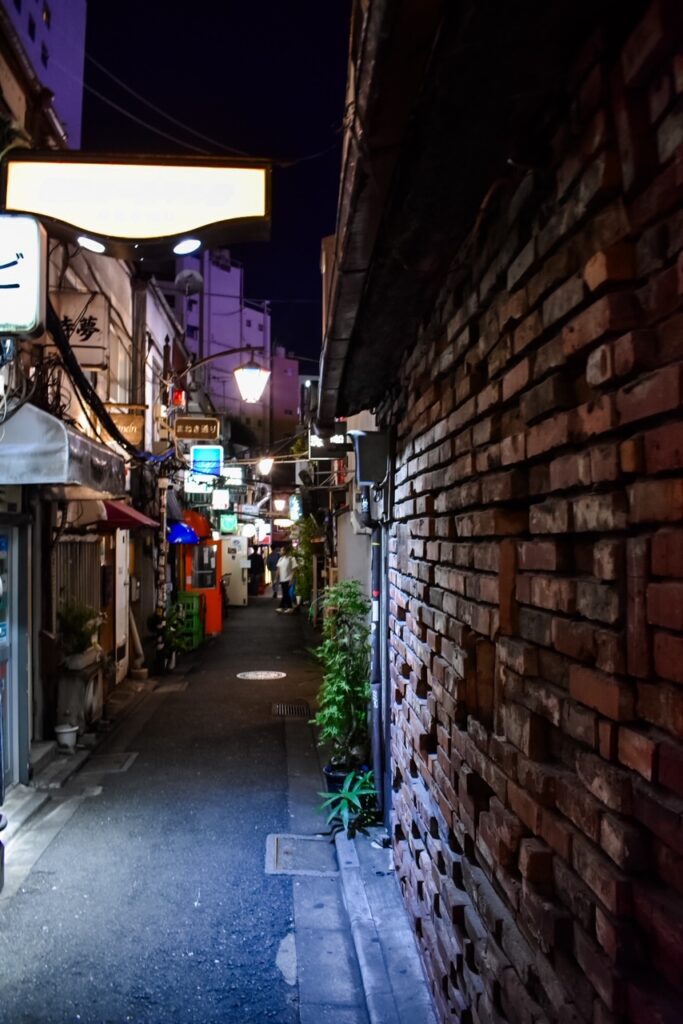
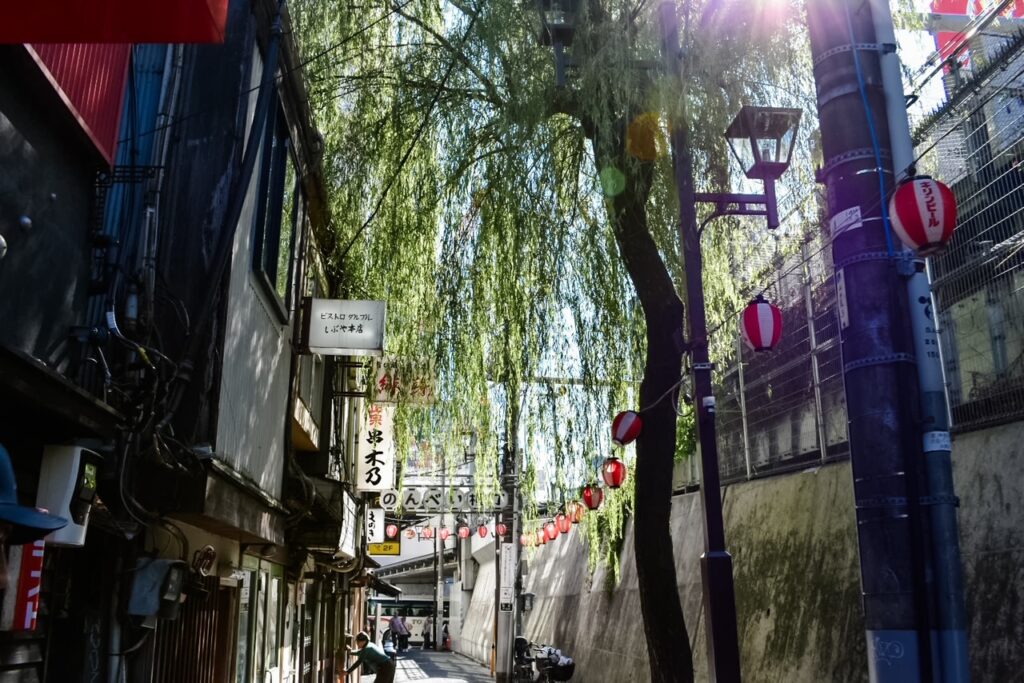
You’ve probably seen the photos; narrow, brick lined alleyways packed with tiny bars stacked side by side. That’s Shinjuku’s Golden Gai district, a late night hotspot known for its character, charm, and endless drink options. Most bars don’t open until evening, making it the perfect place for a post-dinner drink or two (or three). And if karaoke’s on your list, you’re in the right place. Golden Gai has no shortage of spots to belt out a tune.
Sensoji Temple
Completed in 645, Sensoji is Tokyo’s oldest temple and one of its most iconic sights thanks in part to its striking, vibrant exterior. We didn’t actually make it there ourselves, but leaving it off the list felt wrong. It’s a major landmark for a reason, and definitely worth considering if you’re exploring the area.
Shibuya Crossing
Shibuya Crossing is the world’s busiest pedestrian intersection, and during peak times, an estimated 1,000 to 2,500 people flood the streets with each light change. It’s the perfect snapshot of Tokyo’s organized chaos—frenetic, fascinating, and oddly efficient. The crossing has become a global icon thanks to appearances in films like Lost in Translation and Tokyo Drift, and while it’s not something I’d go out of my way for, it’s a quick, memorable stop if you’re nearby.
Tsukiji Fish Market
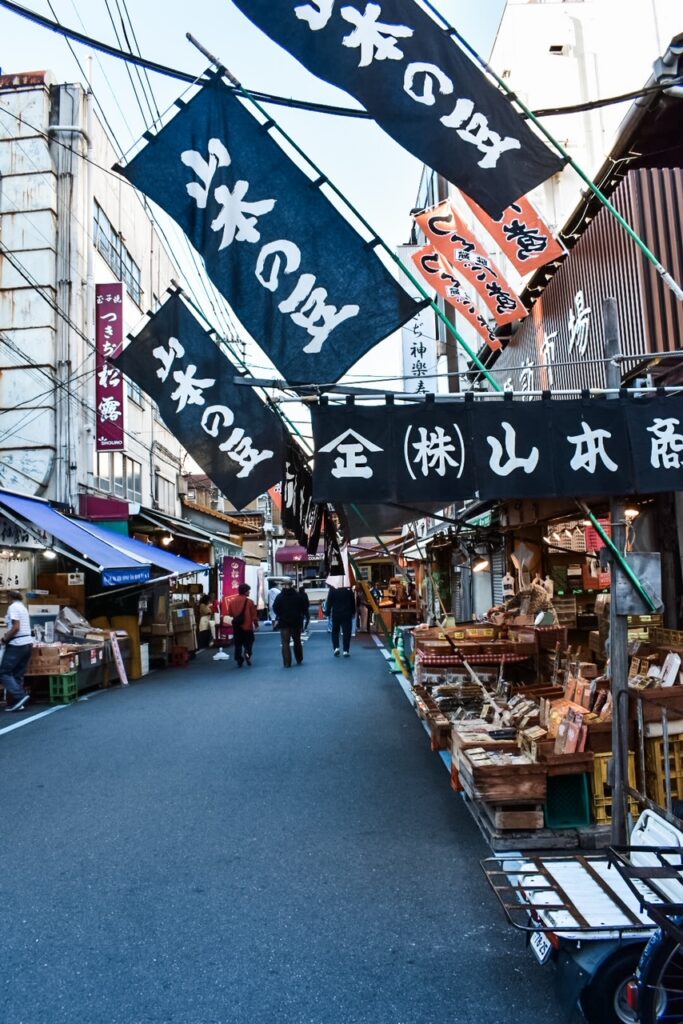
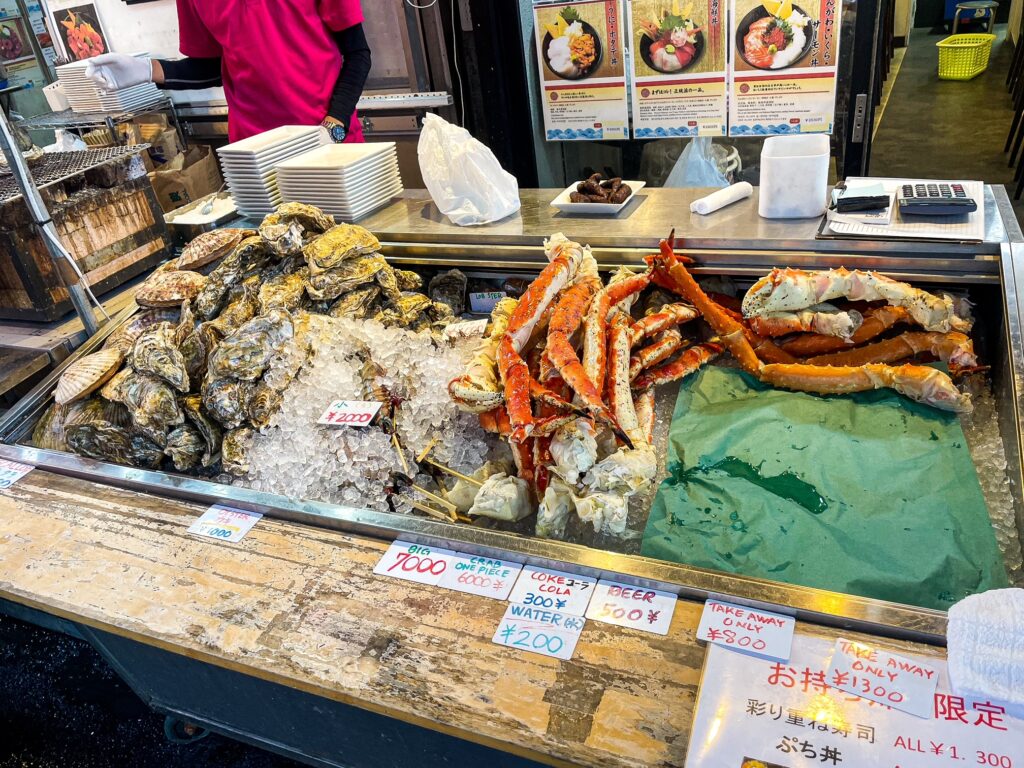
Wandering through the Tsukiji Fish Market ended up being one of my favorite parts of the trip; an absolute must if you’re a seafood lover. We went first thing in the morning to beat the crowds and even caught a glimpse of a fisherman hauling in his daily catch. I’m not usually one for seafood at breakfast, but hey, when in Tokyo, you make exceptions.
Imperial Palace
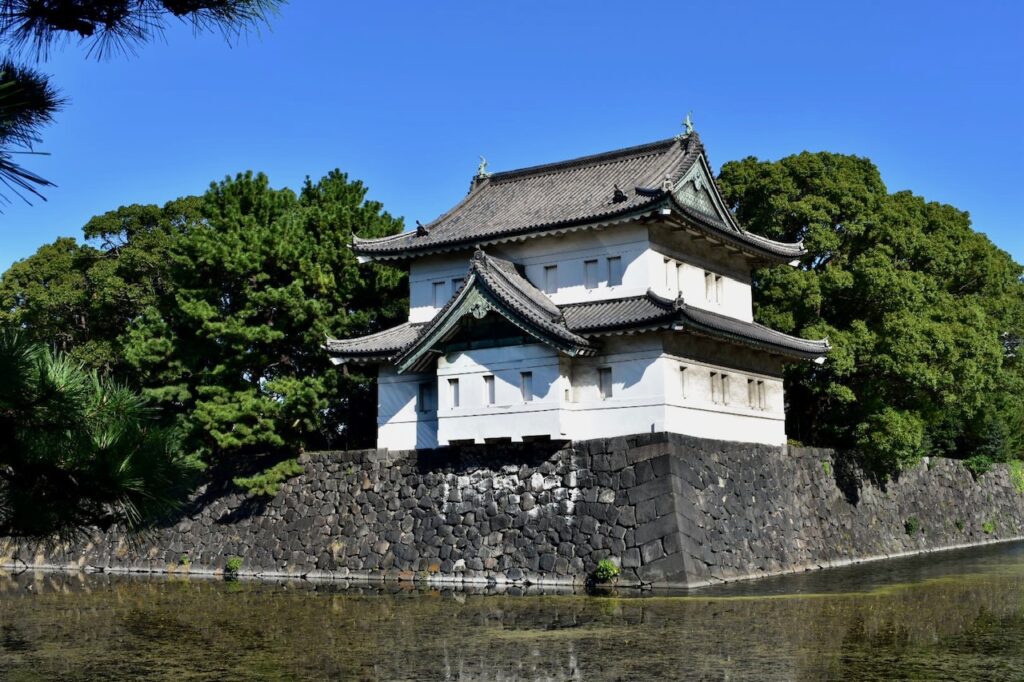
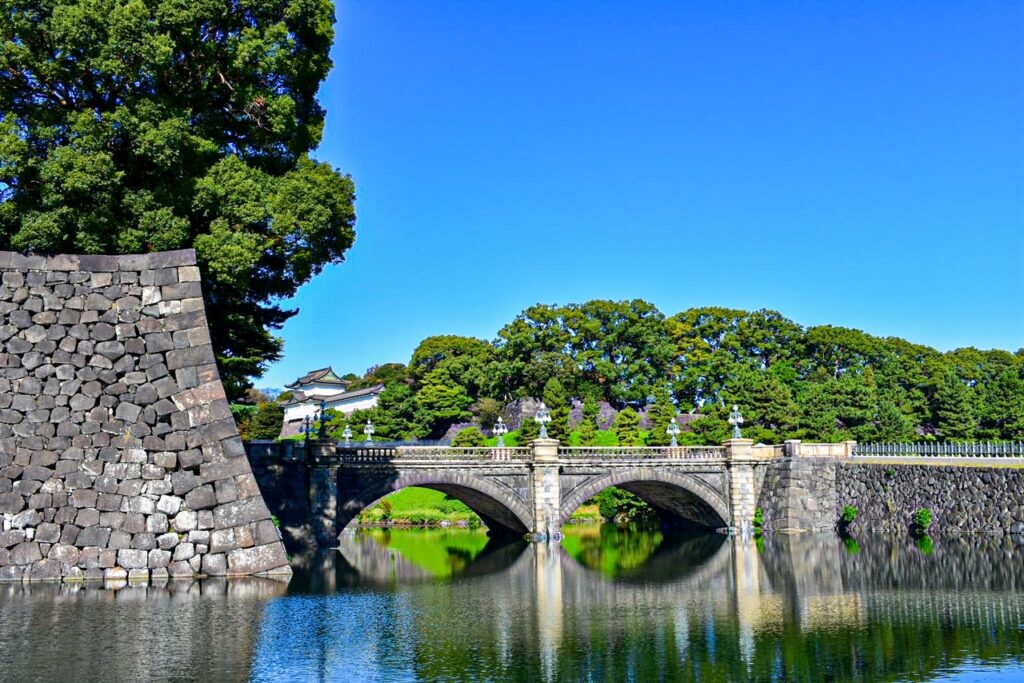
The Imperial Palace is built on former Edo Castle grounds and is the residence for, you guessed it, Japan’s Imperial Family. Tours are available, although we just strolled by to view for ourselves and continued to the East Gardens around the bend. We were warned the tour isn’t worth it for what you can access.
Shop in Ginza
Tokyo’s upscale Ginza neighborhood is best known for its luxury boutiques, but there’s more to it than designer storefronts. The area is dotted with chic cafés, elegant restaurants, and a surprisingly vibrant art scene. After an afternoon of window shopping, I found myself wishing we had stayed in this part of town—it has a polished, cosmopolitan energy that’s hard to resist.
Local Recommendations
Udatsu Sushi
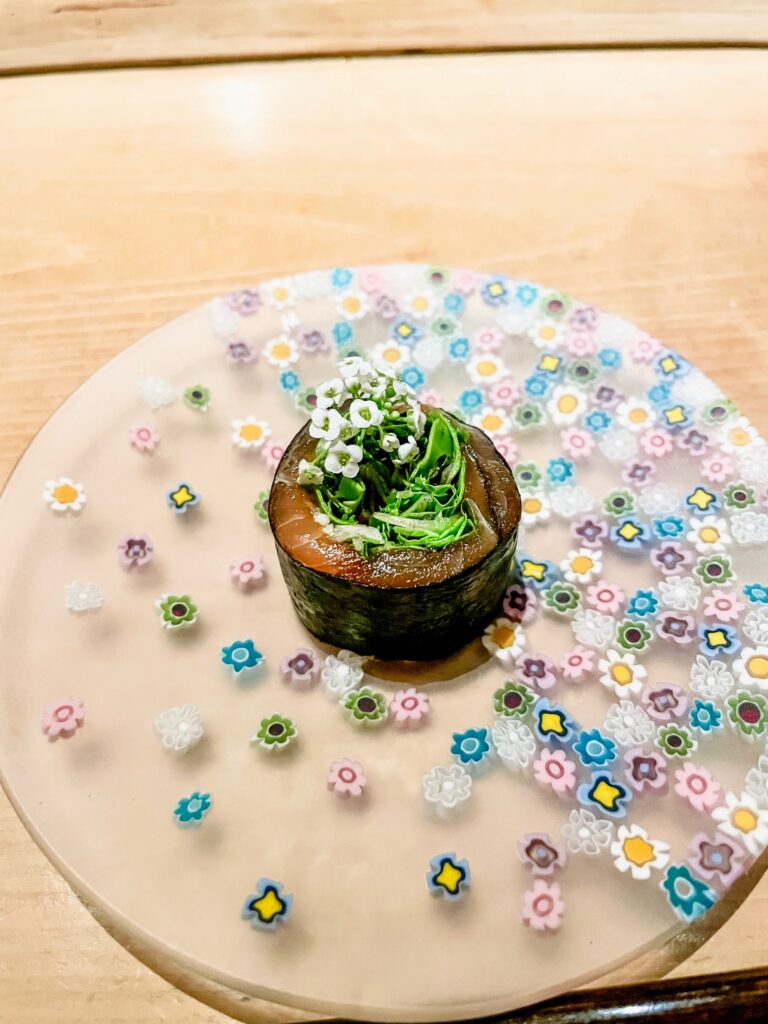
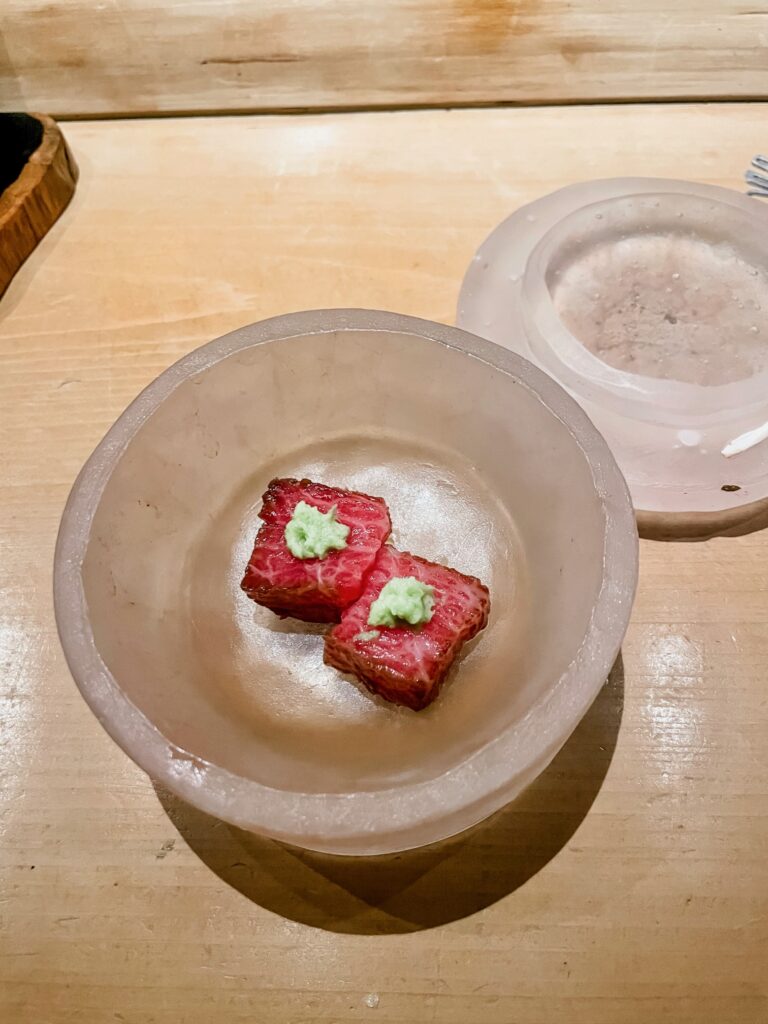
Udatsu Sushi is a Michelin star omakase restaurant with a nine-person sushi counter. We knew we were in good hands the moment we sat down next to a former sumo wrestler, who mentioned that Udatsu is one of his favorite restaurants in the city. Pro tip: come hungry. The meal included around twenty courses, and we left surprisingly full… which isn’t always the case with omakase.
Naka-Meguro
If you make a reservation at Udatsu Sushi take the subway there and get off at the Naka-Meguro stop. Udatsu is a short fifteen-minute walk away and we were pleasantly surprised by the artistic and laidback nature of the neighborhood. We went back the next day and strolled along the Meguro River as well, which is allegedly beautiful during cherry blossom season.
Visit an Izakaya
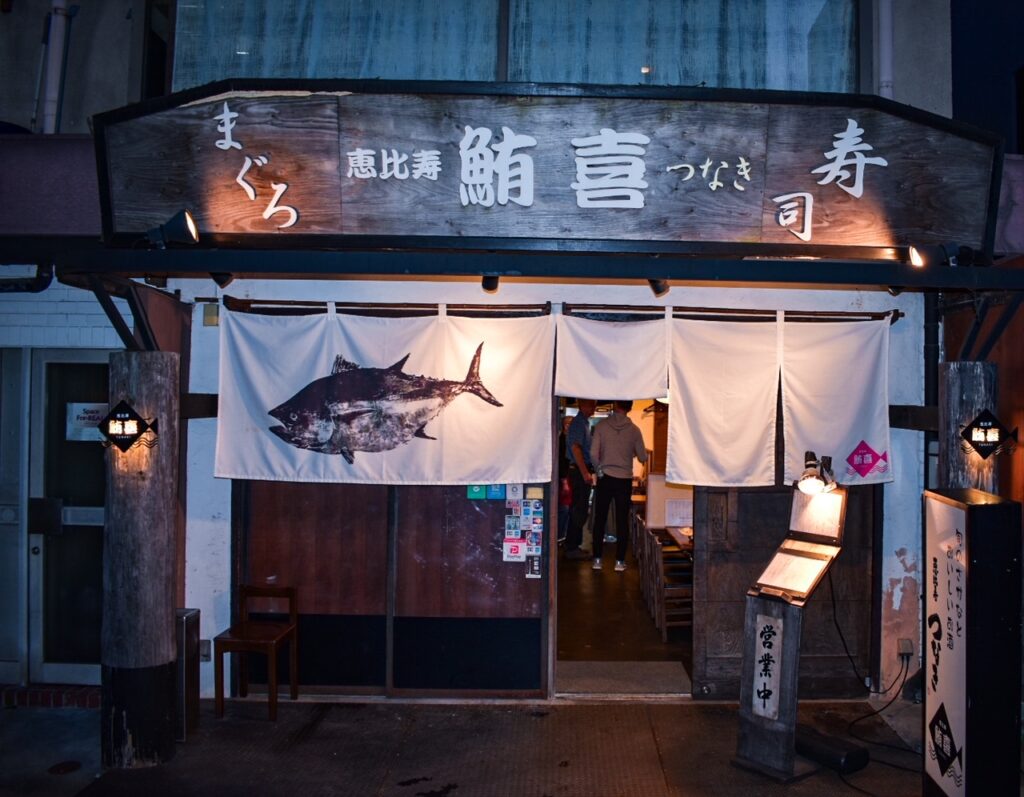
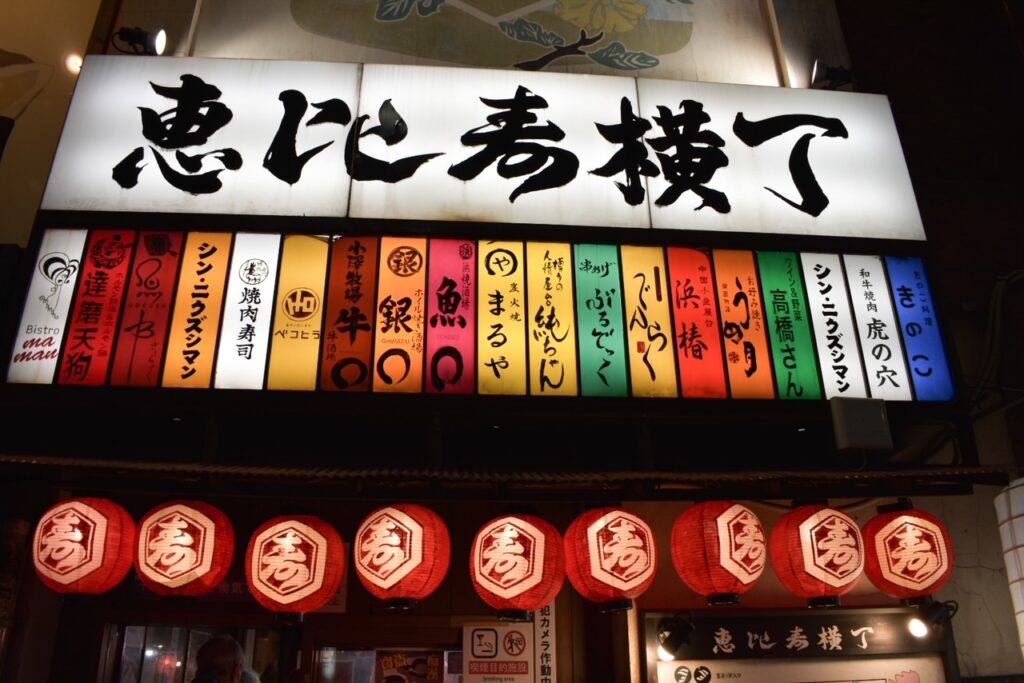
Belly up to the bar at one of Tokyo’s many izakayas, or quintessential Japanese pubs. Something worth noting—it’s customary to order a drink and light bite while visiting an izakaya. Even if you don’t drink alcohol, ordering a soda, tea, etc., is the polite option. We visited several during our stay and had everything from fresh, melt-in-your-mouth sashimi to sizzling yakitori. Tokyo’s izakayas offer a unique cultural experience and provide a great opportunity to experience Japanese hospitality firsthand.
Daikanyama
Like Naka-Meguro, Daikanyama offers a quieter, more local side of Tokyo. It’s perfect if you’re looking to skip the crowds and the big name labels. The neighborhood is full of indie boutiques, vintage shops, cozy cafés, and tucked away speakeasies, all hidden along its winding backstreets. It’s a stylish, low-key alternative to the high-end hustle of Ginza, and a welcome breather from the pace of downtown Tokyo.
Until next time, Tokyo!