
Tokyo moves at the speed of light. In Kyoto, you can finally catch your breath. After spending time in Japan’s former capital, it’s easy to see why Kyoto reigns supreme as one of Japan’s top travel destinations. Infamous shrines and temples may draw you to the city initially, or perhaps the picturesque Arashiyama Bamboo Grove; however, there’s much more to Kyoto than meets the eye. I’ll go so far as to say it’s the best large city in Japan. If you haven’t closed out of the browser in defiance and are still with me, I’ll tell you why.
Things to Know When Traveling in Kyoto, Japan
- Kyoto’s subway and bus systems are clean, reliable, and affordable. I’m not one to opt for public transit while traveling abroad and found the process seamless and enjoyable.
- Bring good walking shoes! We occasionally used public transportation to navigate the city, however explored a lot on foot. On average, we walked about four miles a day.
- Purchase a Suica card. These pay-as-you-go cards can be used on everything from the public transportation to local convenience stores.
- Most hotels, restaurants, bars, and activities accept credit cards. Having some local currency on hand is helpful if you’re planning to visit street markets or vendors.
- It’s helpful to know basic phrases in Japanese. We occasionally encountered a language barrier during our time in the city, but luckily, I had the necessities down. When all else fails, Google Translate will be your friend.
- Ubers and taxis are available in Kyoto.
- Tipping isn’t customary and can even be seen as rude.
- Kyoto’s crime rate is low and we felt safe there!
Where to Stay in Kyoto, Japan
Noku Kyoto
We spent three nights at the Noku Hotel (not to be mistaken with the infamous Nobu chain). Honestly, there was nothing wrong with it – decent location, modest but spotless rooms, and staff who were polite enough. But somehow, Noku just didn’t spark anything for me. It’s the kind of place that feels… fine. Like a book you skim through but never really get hooked on.
Aman Kyoto
The next time I visit Kyoto, I’d love to stay at Aman. Aman Resorts are synonymous with understated luxury and thoughtful design, often crafting intimate escapes that blend seamlessly into their natural surroundings. The Kyoto location looks spectacular, featuring a modern take on a traditional Japanese ryokan. Tucked into a serene forested hillside, Aman Kyoto appears to be the perfect blend of minimalist luxury and traditional Japanese design.

Things to Do in Kyoto, Japan
Fushimi Inari Shrine
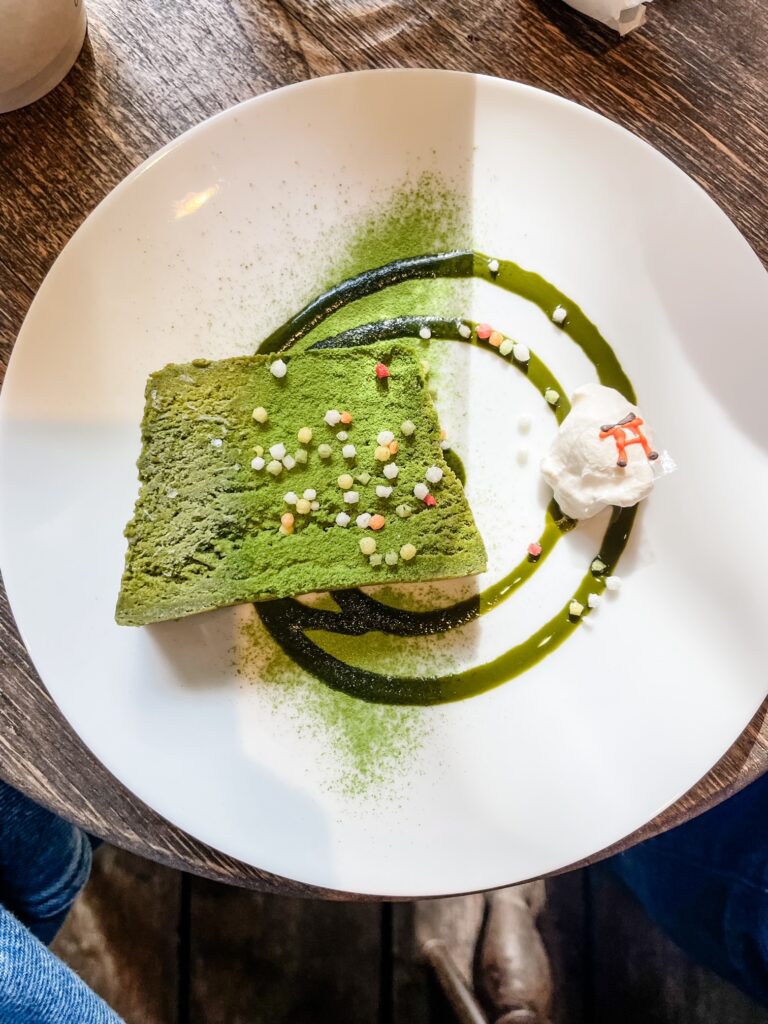
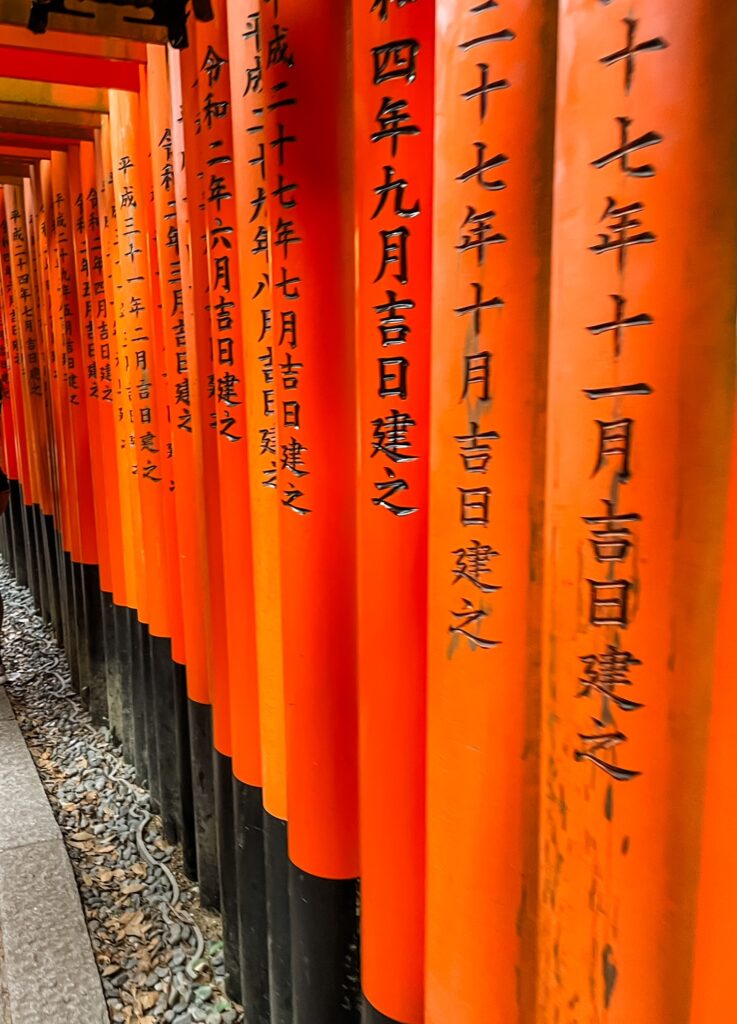
The Fushimi Inari Shrine is mesmerizing. The endless rows of vibrant red torii gates create a surreal, almost hypnotic tunnel that feels like stepping into another world. It’s stunning in person; just prepare for large crowds if you go midday. The secret? Visit early, when the light is soft and the path is mostly yours. After your walk, swing by Vermillion Cafe nearby for a coffee and a sweet treat to reward yourself for getting up early on vacation.
Bike to Arashiyama Bamboo Grove
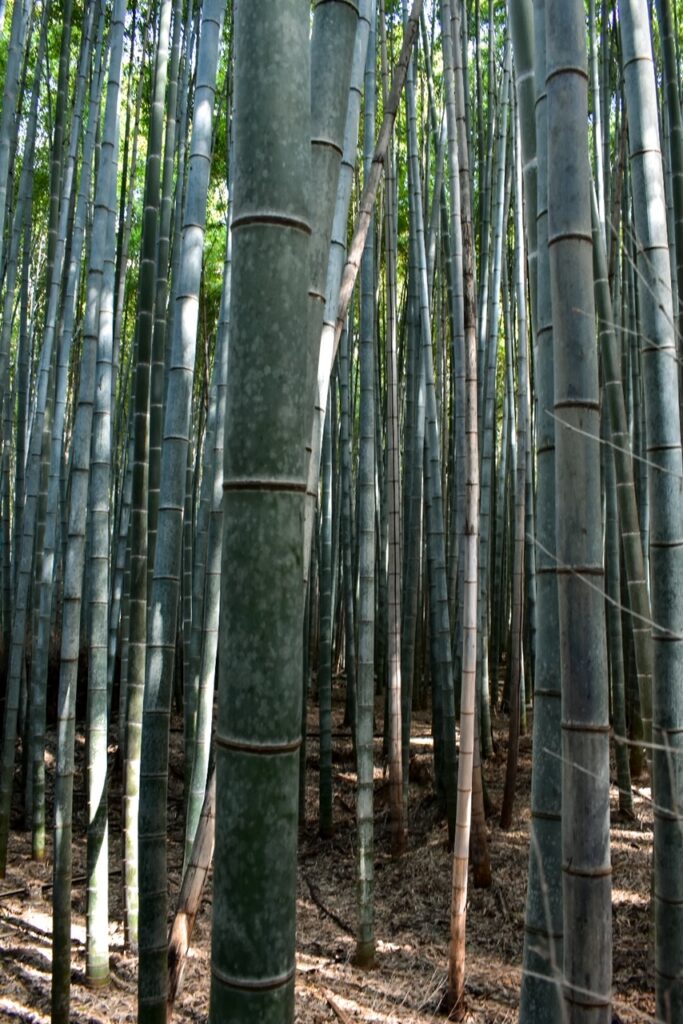
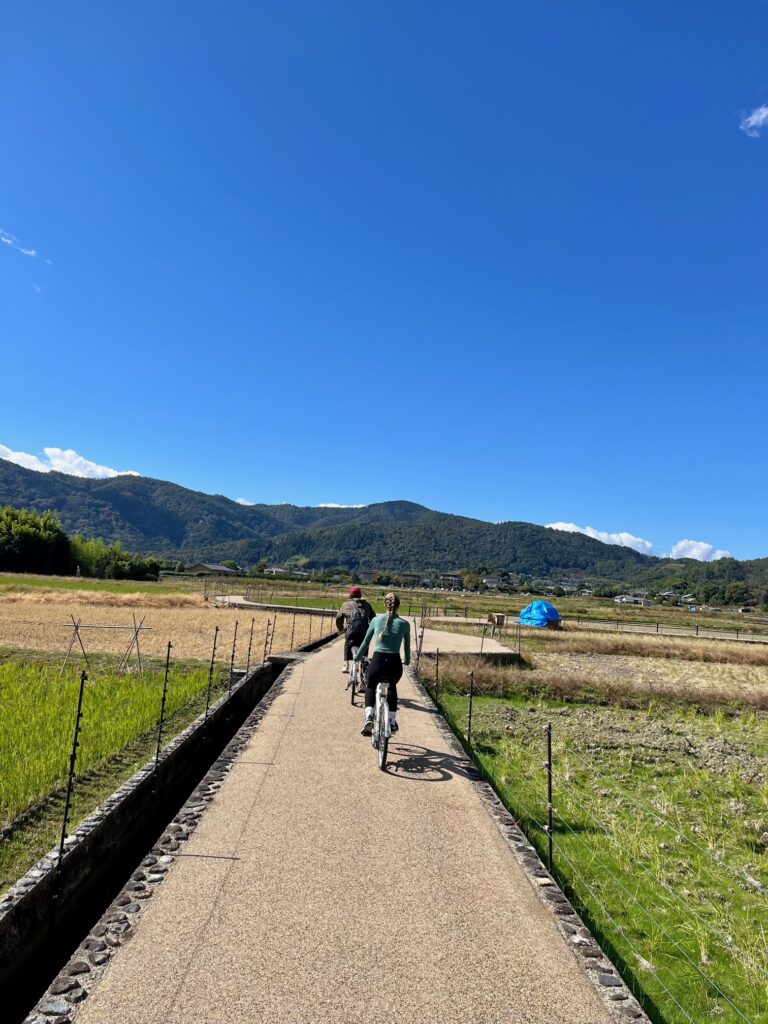
Including the Arashiyama Bamboo Grove as a major Kyoto attraction isn’t exactly original. Something you may not find elsewhere, the recommendation to add this as a stop on a larger bike tour of the city.
Bike tours are a great way to cover a lot of ground, and if you’re anything like me, they’re the secret to getting a feel for a city’s layout. We spent a half-day cycling through Kyoto’s quieter western neighborhoods, weaving through the Arashiyama Bamboo Grove, popping into a couple of tucked-away temples, and cruising past peaceful local rice fields.
Inoichi Ramen
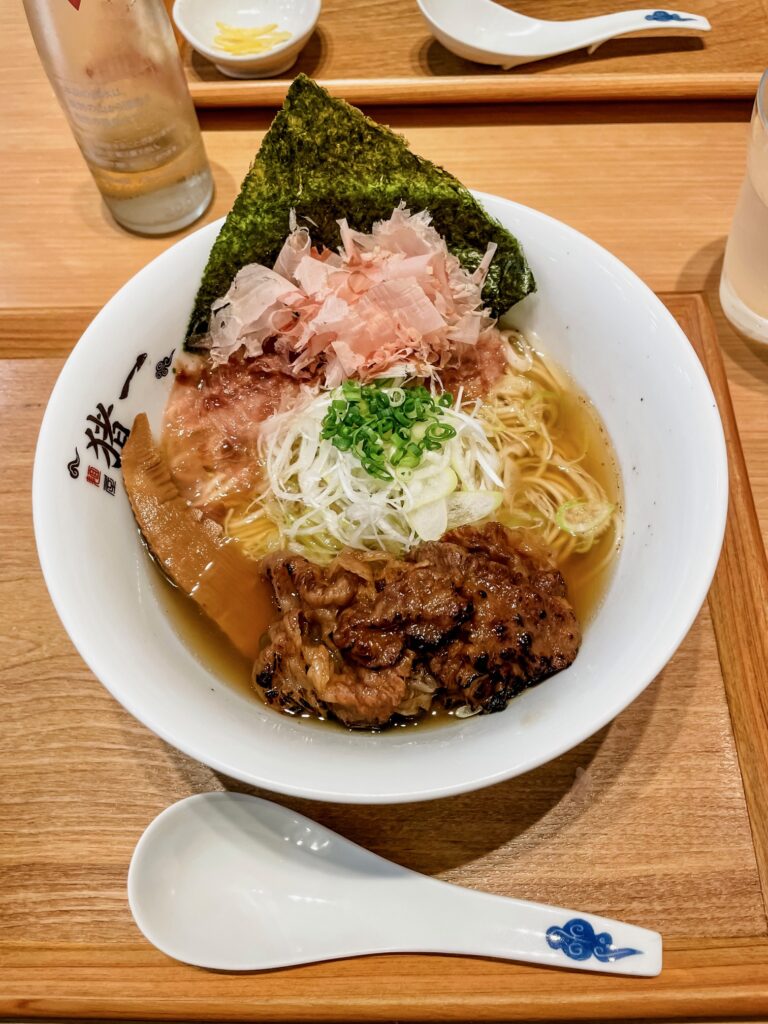
I scoured the internet for the best ramen in Kyoto, and Menya Inoichi kept popping up at the top of every list. Sure enough, there was a line down the block when we arrived on a Tuesday afternoon, but that didn’t deter us. Their Michelin-starred white Dashi soba? Next-level. Easily the best ramen I’ve ever tasted. Wash it down with their fresh pear juice for a little sweet contrast to all that rich, savory umami goodness.
Kinkakuji (Golden Pavilion)
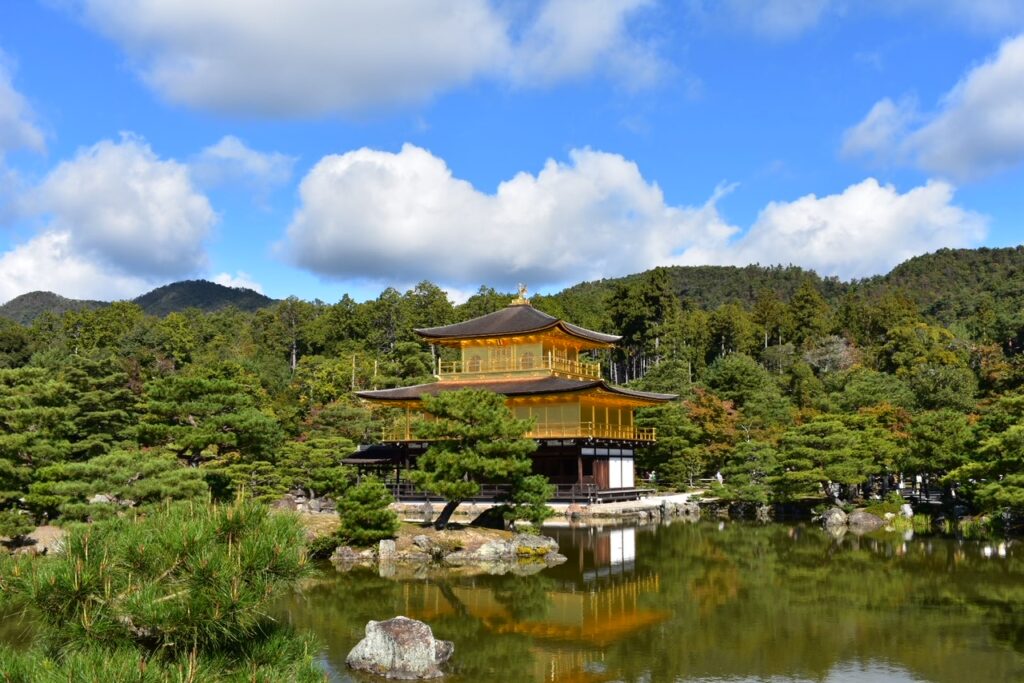
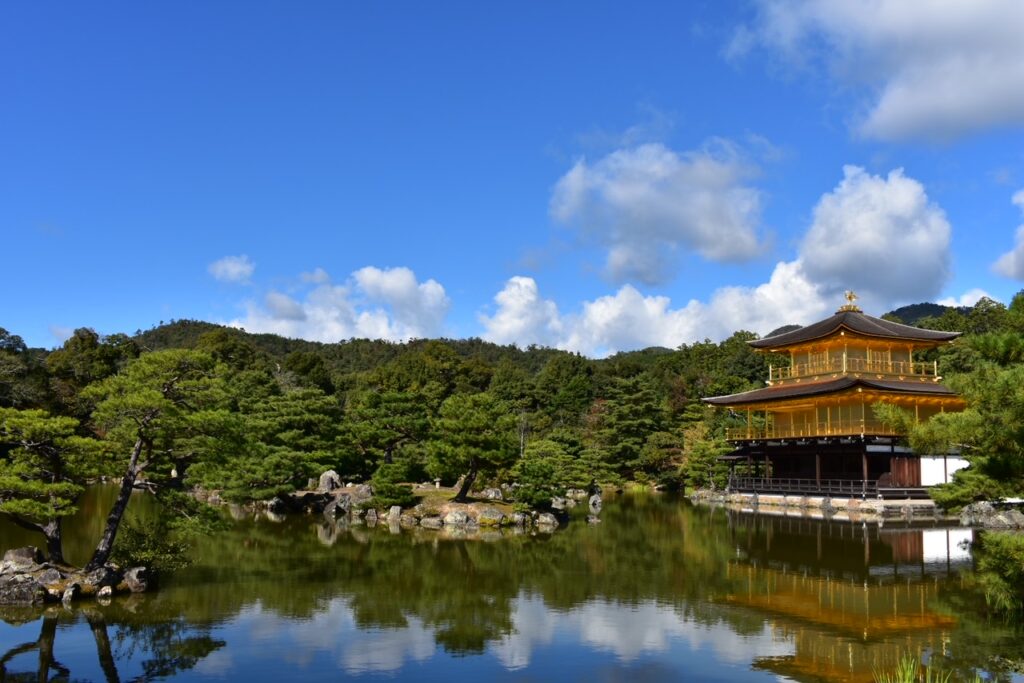
Kinkakuji, or the Golden Golden Pavilion, is one of Kyoto’s most famous landmarks. Somehow, it’s even more surreal in person. Covered in gold leaf and reflected in a still pond, it looks almost too flawless to be real. Until you remember: this isn’t Instagram. You’re actually here.
Higashiyama District
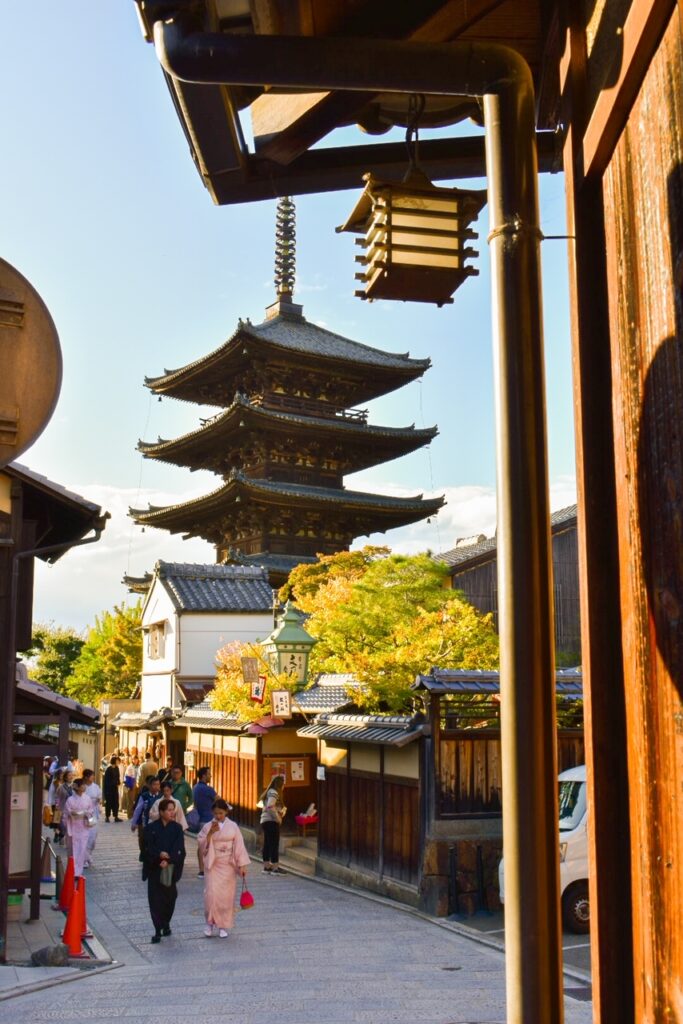
Wandering through Kyoto’s Higashiyama District feels like slipping into a quieter, older version of the city. The pedestrian-only streets are lined with traditional merchant shops showcasing pottery, clothing, sweet treats, pickles on a stick (also known as Kyuri Asazuke), and more. In recent years, the city has even removed telephone poles and lines to preserve the district’s historic feel.
While you don’t want to miss any of the architectural details, be sure to watch your step. According to local legend, if you slip or fall on the Ninenzaka or Sannenzaka streets, misfortune is just around the corner!
Kiyomizu-dera Temple
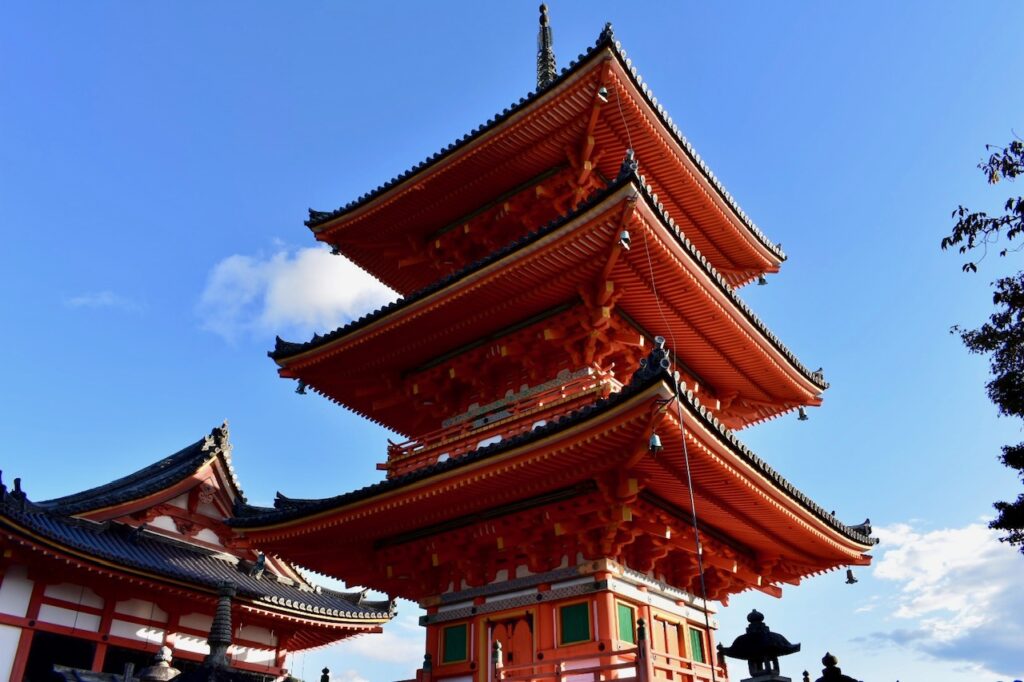
Perched above Ninenzaka and Sannenzaka streets, the sweeping views from Kiyomizu-dera cannot be beat. Of all the temples we visited in Japan (and there were many), Kiyomizu-dera was my favorite. One of the more famous images of Japan, and for good reason.
Until next time, Kyoto.